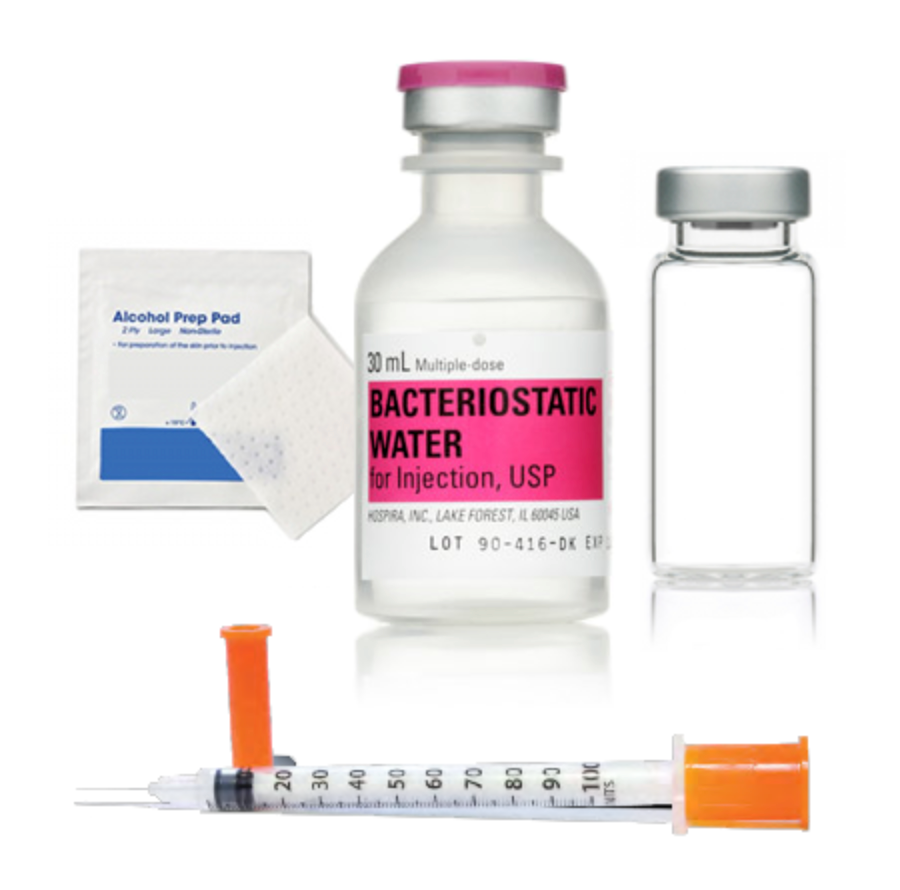
Lyophilized vs liquid peptide stability Lyophilized (freeze-dried) powder: Most peptides sold in this form Moisture removed via freeze-drying Very stable when dry Can last years if stored properly Requires reconstitution before use Lyophilized stability: Freezer (-20C): 2-5+ years for most peptides Refrigerator (2-8C): 1-2 years typical Room temperature: Weeks to months (varies by peptide) Key factor: Keeping it DRY (moisture is enemy) Liquid (reconstituted) peptides: Peptide dissolved in water Much less stable than powder Water enables hydrolysis Bacterial contamination risk higher Limited shelf life Liquid stability: Refrigerated with bacteriostatic water: 28-30 days typical Refrigerated with sterile water: 5-7 days maximum Room temperature: Hours to 1-2 days only Frozen (reconstituted): DO NOT FREEZE liquid peptides Key principle: Keep peptides as dry powder until needed, then use reconstituted solution within recommended timeframe

However, recent comprehensive studies are challenging this belief and providing clarity for both patients and healthcare providers
, , , , 1233 /100 , , , , , 0,060,7 /100
Domestic refrigerators may not maintain consistent temperatures and are not equivalent to pharmaceutical cold storage