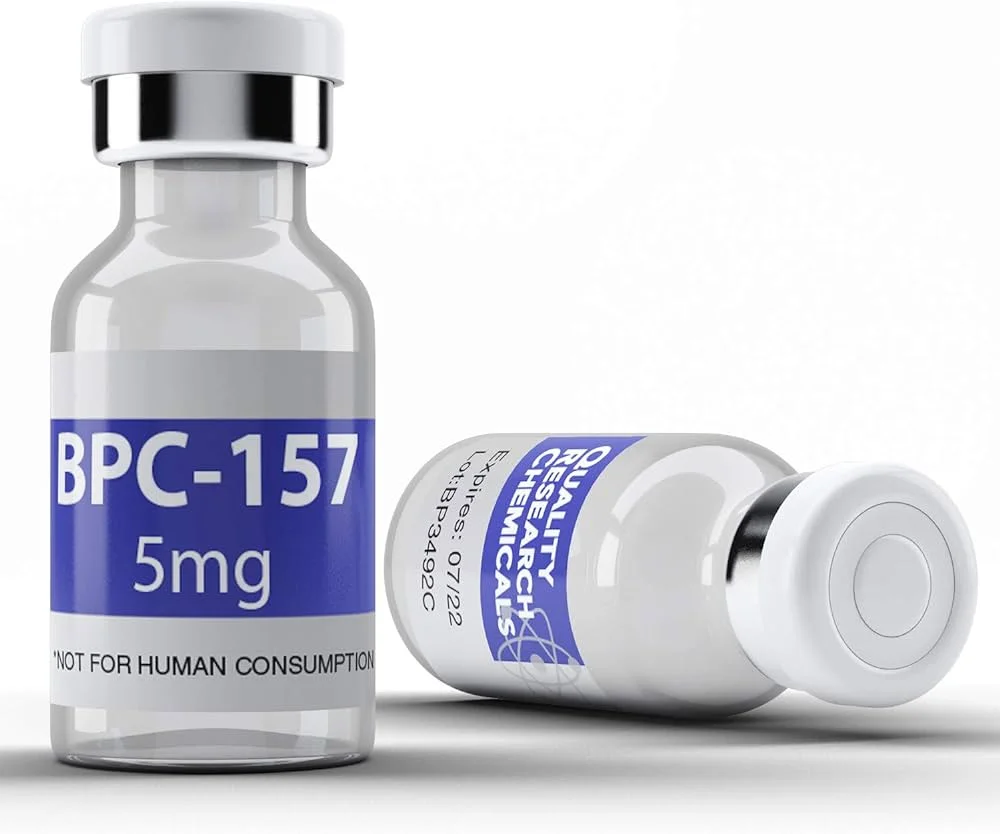
While both compounds have distinct originsBPC-157 as a pentadecapeptide derived from a gastric protein fragment, and TB-500 as a synthetic analogue of thymosin beta-4they share overlapping potential in promoting wound healing, angiogenesis, and anti-inflammatory activity.Individually, BPC-157 has been explored for its influence on joint, tendon, muscle, and nerve repair, while TB-500 research has emphasized effects on cellular migration, tissue remodeling, neurological recovery, and cardiovascular resilience
Theoretical Potency Debate: Some researchers argue that for a severe, localized injury, a systemic approach might be less potent or slower to act, though this is still a subject of debate
They're excellent for body recomposition - losing fat while gaining muscle simultaneously
Some of the roles that are attributed to vitamin B12 include: Forming red blood cells Playing a role in DNA/RNA synthesis Acting as a cofactor for methionine synthase (helping with methylation or the conversion of homocysteine to methionine, which protects cardiovascular health and more) Facilitating metabolic conversion of protein and fats Carrying out neurotransmitter functions and helping with production of hormones Helping convert amino acids and make creatine Producing myelin sheath (the coating of nerves) Helping with synthesis of hemoglobin Playing a role in fetal development during pregnancy Vitamin B12 levels are usually tested with a blood serum test, and values below approximately 170250 picogram per milliliter in adults are considered signs of deficiencies