[6] Laboratory Research Focus Areas BPC-157 is utilized in various controlled research contexts: Gastrointestinal Research: Cellular models studying gastric mucosa, intestinal epithelial barriers, and inflammatory bowel disease pathways Musculoskeletal Studies: In vitro tendon, ligament, muscle, and bone cell culture research Organ System Research: Ischemia-reperfusion models in liver, kidney, and lung tissue studies Neuroscience Applications: Central nervous system pathway research in stroke models and traumatic injury systems Note: All applications represent controlled laboratory research conducted in vitro or in preclinical animal models
The defective peristalsis can be a primary idiopathic motor disorder or, occasionally, it can result from a connective tissue disorder such as limited scleroderma associated with calcinosis cutis, Raynaud phenomenon, esophageal Figure 1.2
Get this step right, and every dose that follows is accurate
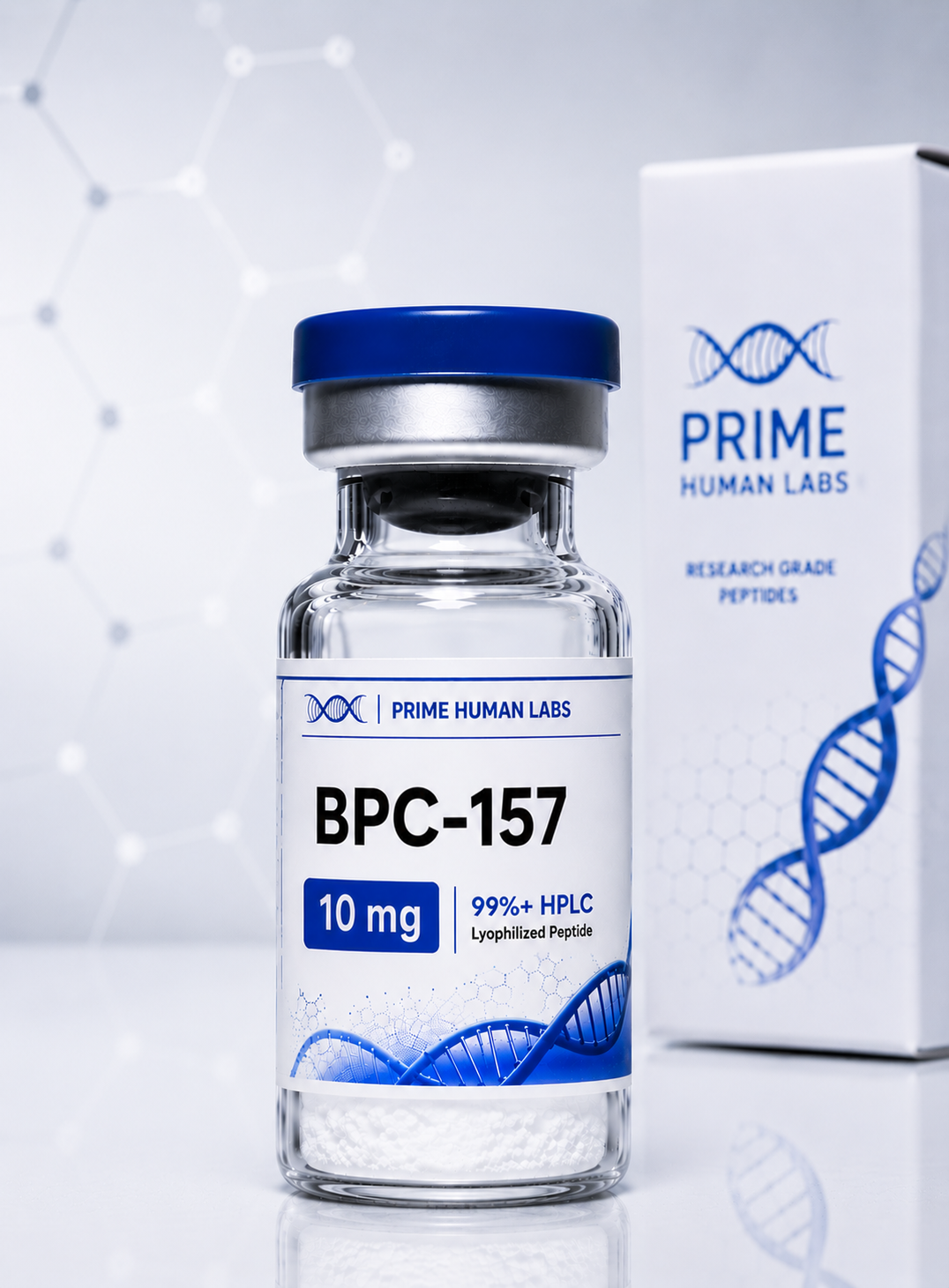
Key Takeaway Peptide reconstitution is a critical step in laboratory research that involves dissolving lyophilized peptides into a stable solution