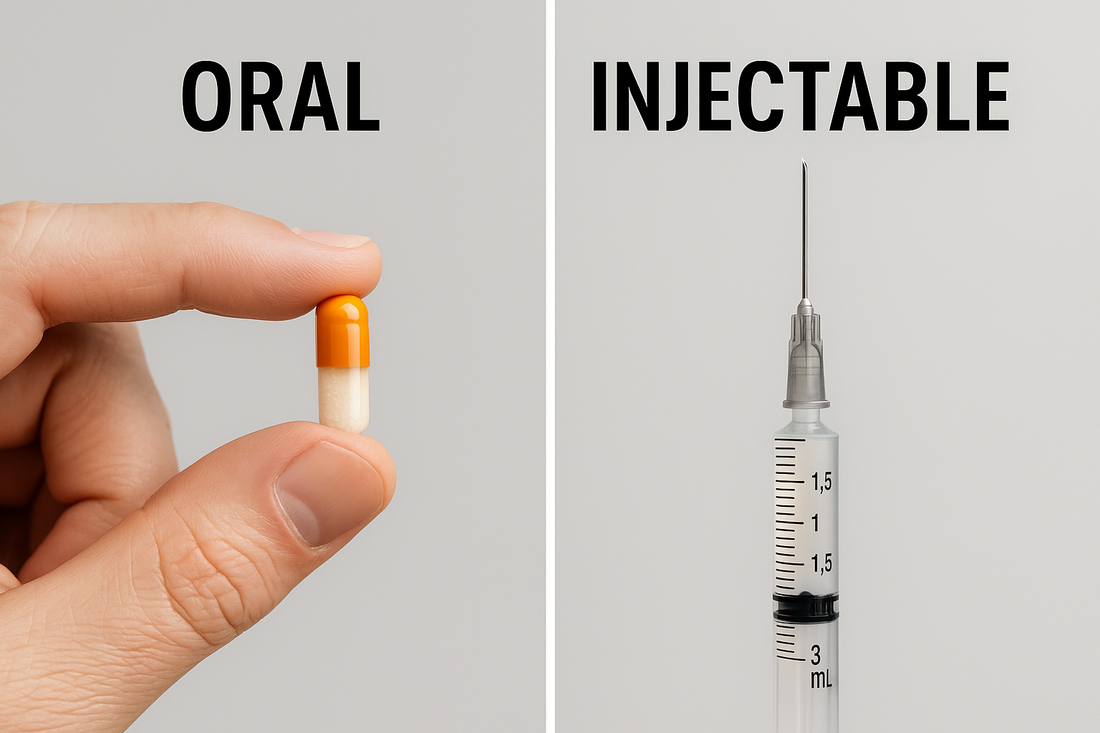
It turns out, though, that the injections may not always be necessary
If you only code the hip fracture and the fall, you're missing critical information about why the fall occurred, which affects: Fall risk assessment Discharge planning Prevention strategies Future coding if the patient returns Financial Impact of Complete Coding Let's look at DRG assignment for the same patient with different coding: Incomplete coding (injury only): S72.001A (Hip fracture) W19.XXXA (Fall) DRG: MS-DRG 535-536 (Fractures of hip and pelvis with/without MCC) Complete coding (injury + cause): S72.001A (Hip fracture) principal R55 (Syncope) secondary I95.1 (Orthostatic hypotension) secondary, if documented W19.XXXA (Fall) Other comorbidities (CHF, COPD, etc.) DRG: Same MS-DRG 535-536, but now with proper documentation of why the fall occurred, which: Supports medical necessity for the admission Documents fall prevention needs Justifies additional monitoring Captures all conditions affecting the patient The DRG may not change, but the completeness of the record and the supportability of the admission absolutely does change
By integrating B6 and B12 supplementation into a semaglutide-based weight loss regimen, individuals can address potential challenges, optimize their health, and enhance the overall effectiveness of their weight management journey
Description AOD9604 is a synthetic peptide fragment derived from the C-terminal region of human growth hormone (hGH)